Unlocking Transformation through Daily Practice in Kriya Yoga
- Dec 7, 2025
- 4 min read
Daily practice in Kriya Yoga is not just a routine; it is the foundation for profound inner transformation. The consistent engagement with this ancient spiritual discipline shapes the mind, energises the subtle body, and deepens inner awareness. For practitioners in Australia and beyond, understanding why daily practice matters and how to cultivate it sustainably can unlock the true power of Himalayan Kriya Yoga.
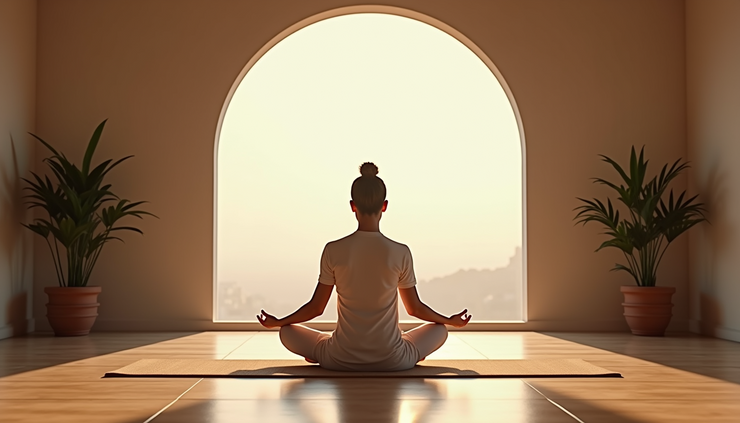
What Daily Practice Means in the Kriya Yoga Tradition
In the Himalayan Kriya lineage, daily practice refers to a dedicated, consistent engagement with specific yogic techniques designed to harmonise body, breath, and mind. This practice is more than occasional meditation or exercise; it is a disciplined commitment to spiritual growth through:
Breath control (pranayama)
Meditation focused on inner awareness
Mantra repetition to stabilise the mind
Kriya techniques that purify energy channels
Asana to prepare the body
Simple lifestyle principles that support yogic discipline
This daily engagement is not measured by duration or intensity but by sincerity and regularity. It is a sacred dialogue between the practitioner and their inner self, unfolding gradually with patience and care.
Why Consistency Matters More Than Intensity
Many beginners believe that longer or more intense sessions lead to faster results. In Kriya Yoga, the emphasis is on consistency over intensity. A short, sincere daily practice builds a stable foundation, while sporadic intense sessions can cause imbalance or burnout.
Consistent practice:
Stabilises the nervous system by gently training the mind and breath
Strengthens pranic flow, the vital energy that sustains life and consciousness
Develops mental clarity and emotional steadiness over time
Creates a rhythm that integrates spiritual habits into daily life
This approach aligns with yogic discipline (tapas), which values steady effort and self-control as keys to transformation.
How Daily Practice Stabilises the Nervous System and Strengthens Pranic Flow
The nervous system responds directly to breath and mental focus. Kriya Yoga’s breathwork techniques regulate the autonomic nervous system, reducing stress and promoting calmness. This stabilisation supports:
Balanced emotional responses
Improved concentration and mental clarity
Enhanced resilience to daily challenges
At the same time, kriya techniques activate and purify the pranic channels (nadis), allowing energy to flow freely. This improved pranic circulation nourishes the subtle body and supports higher states of awareness.
Core Elements of a Kriya Yoga Daily Routine
A balanced Kriya Yoga routine integrates several key components, each supporting the others:
Breathwork (Pranayama): Techniques like Nadi Shodhana (alternate nostril breathing) prepare the mind and body.
Meditation: Focused attention on inner silence or specific points in the body deepens awareness.
Mantra: Repetition of sacred sounds calms mental chatter and anchors concentration.
Kriya Techniques: Specific energy control practices cleanse and energise the subtle system.
Asana: Gentle postures maintain physical health and flexibility, supporting meditation.
Lifestyle Principles: Simple habits such as mindful eating, regular sleep, and ethical conduct sustain yogic discipline.
For example, a daily session might begin with gentle asanas, followed by pranayama, then kriya meditation with mantra, concluding with a few minutes of silent reflection.
The Relationship Between Discipline, Awareness, and Inner Transformation
Discipline, or tapas, is the steady effort to maintain practice despite distractions or challenges. This discipline cultivates awareness — the ability to observe thoughts, emotions, and sensations without attachment. Together, they create a fertile ground for inner transformation:
Discipline builds resilience against mental restlessness and external pressures.
Awareness reveals habitual patterns and opens space for change.
Transformation unfolds naturally as the practitioner becomes more present and centred.
This process is gradual and requires patience, but it leads to lasting clarity and emotional balance.
How Daily Practice Builds Resilience, Clarity, and Emotional Steadiness
Regular Kriya Yoga practice trains the mind to remain calm amid stress and uncertainty. Over time, practitioners report:
Greater emotional steadiness in challenging situations
Clearer decision-making free from impulsive reactions
Increased resilience to physical and mental fatigue
A deeper sense of inner peace and contentment
These benefits extend beyond the meditation cushion, influencing relationships, work, and daily life.
Encouragement for Beginners: Start Small, Stay Sincere, Grow Steadily
Starting a daily practice can feel daunting. The key is to begin with manageable steps:
Commit to just 5–10 minutes daily
Focus on sincerity rather than perfection
Use guided sessions or support from experienced teachers
Gradually increase practice time as comfort grows
Celebrate small milestones and remain patient with setbacks
This approach fosters sustainable growth and prevents discouragement.
How Sattva School of Dharma Supports Sustainable Daily Practice
At the Sattva School of Dharma, students receive guidance tailored to their unique needs and pace. The school offers:
Structured programs rooted in the Himalayan Kriya lineage
Experienced teachers who provide personal support and feedback
Resources to integrate practice into daily life in Australia’s modern context
Community connection to encourage accountability and inspiration
This support helps practitioners establish a lasting, meaningful Kriya Yoga daily practice.
Daily practice in Kriya Yoga is a lifelong path of steady growth. It transforms the mind, energises the subtle body, and deepens inner awareness. By embracing consistent, sincere practice, practitioners unlock the profound potential of this ancient spiritual tradition. Whether you are just beginning or deepening your journey, the power of daily practice offers a clear path to resilience, clarity, and inner peace.


